


How Rugs Should Be Placed: A Guide for Every Room
You’ve spent hours perfecting your interior style—choosing the ideal light fittings, selecting wall colours, and even designing your own custom rug. But when installation day arrives, many homeowners stop and ask: how should rugs be placed?
Should the rug go completely under the furniture, or only partially? How much space should you leave around dining chairs? This guide covers all the essential rug placement tips for every room in your home.
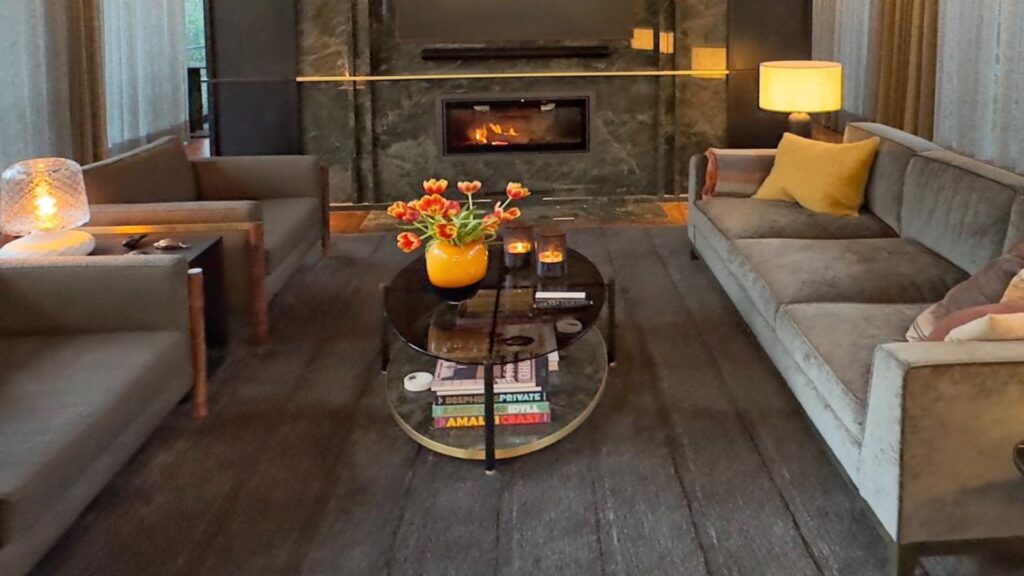
Living Room Rug Placement
The living room is often the heart of the home, and the rug acts as an anchor for the entire seating area. The way you place it can either elevate the space or make it feel disconnected.
1. Floating Rug
If you have a large living room, opt for a rug big enough to accommodate all four legs of your main furniture pieces—sofas, armchairs, and side tables. This approach creates a luxurious, cohesive space.
2. Front Legs Only
For smaller rooms or budget-friendly options, place just the front two legs of your sofa and chairs on the rug. This still ties the furniture together visually. Make sure the rug extends at least 15–30 cm beyond the width of the sofa on each side.
3. Coffee Table Only
In very compact living rooms, a rug that sits solely beneath the coffee table can still define the space. However, this layout may feel less grand and is best for minimalist or transitional interiors.
Dining Room Rug Placement
A dining room rug adds warmth, absorbs sound, and enhances your dining experience. However, it must be functional as well as beautiful.
Size Matters
The rug should be large enough so that all dining chairs remain on it, even when pulled out. This prevents the back legs from catching on the rug’s edge, which can cause frustration—and premature wear.
Measurement Guide
Measure your dining table, then add at least 60–90 cm to each side. This ensures chairs slide back easily while staying entirely on the rug.

Bedroom Rug Placement
In the bedroom, rugs offer both comfort and softness, particularly when your feet hit the floor in the morning. The right placement enhances relaxation and flow.
1. Under the Bed
The most classic choice is to place the rug under the bed, allowing it to extend beyond the edges.
2. Full Coverage
For a queen or king-size bed, choose a rug around 240 x 300 cm. Position it horizontally so that 30–45 cm of rug is visible on each side and at the foot of the bed.
3. Partial Coverage
You can also place a smaller rug—around 150 x 240 cm—under the lower two-thirds of the bed. This leaves rug exposure at the foot and a bit on each side, while keeping costs down.
4. Runners on the Sides
For single or double beds, or if you prefer a lighter touch, consider placing two narrow runners along either side of the bed.
5. At the Foot of the Bed
A smaller accent rug or sheepskin placed at the foot of the bed adds texture and comfort without dominating the space.
Hallway and Entryway Rug Placement
Entryways and hallways are high-traffic zones, and the right rug can protect your floors while making a stylish first impression.
Hallway Runners
Select a runner slightly narrower than your hallway, leaving 10–15 cm of floor space visible on each side. Ideally, the runner should extend across the hallway’s length, stopping about 30–45 cm from each wall or doorway.
Entryway Rugs
Choose a rug that suits the scale of your entryway. It should provide a clear welcome and allow guests to wipe their feet comfortably. Be sure to check that doors can open and close freely over the rug.
General Tips on How Rugs Should Be Placed
Knowing how rugs should be placed isn’t just about aesthetics—it’s about balance, flow, and functionality. Here are a few extra tips to keep in mind:
-
Leave Breathing Room
Avoid placing rugs wall-to-wall unless you are fully carpeting the room. Leave 15–45 cm of bare floor around the rug’s edges for definition. -
Create Harmony Between Rooms
Rugs in connected spaces don’t need to match, but they should complement one another in tone, pattern, or style. -
Protect High-Traffic Areas
Use rugs in frequently used areas to soften footsteps, protect floors, and reduce noise. -
Use a Rug Underlay
Always place a rug pad underneath. It keeps the rug from slipping, protects your flooring, and extends the life of the rug. -
Balance the Room
Let the rug’s pattern and colour enhance the room, not overwhelm it. In a bold space, go for subtle design. In minimal interiors, a statement rug can add warmth and interest.
Final Thoughts
When you know how rugs should be placed, they can dramatically transform your space—visually and practically. From defining rooms to enhancing comfort and flow, rug placement is a crucial element in any well-designed interior.
If you’re unsure about what size or layout suits your space, get in touch. At Rugalia, we’re always happy to guide you through rug selection and placement tailored to your home’s unique style.