


Which Rugs Shed the Most? (And How to Avoid the Fluff)
“Which rugs shed the most?” is one of the most highly searched questions for anyone shopping for home textiles. The short answer is that yes, shedding is normal for certain fibres – but the intensity and duration of that shedding depend entirely on fibre quality, rug construction, and how it was made.
If you have ever brought home a gorgeous new rug, vacuumed it, and ended up with a canister stuffed full of mysterious fluff, you’ve probably asked yourself: Is this normal, or did I just buy a lemon?
If you want the warmth and luxury of a premium rug without living in a constant cloud of fibre dust, here is your ultimate guide to understanding rug shedding, ranking the culprits, and choosing wisely.
The Shedding Scale: Which Rugs Are the Biggest Culprits?
To make your decision easier, let’s look at how different rug types stack up in terms of the “shed factor.”
|
Rug Material & Construction
|
Shedding Level
|
What to Expect
|
|
Cheap Hand-Tufted (100% Short-Staple Wool)
|
🔴 High
|
Heavy shedding that can last for years due to low-quality, broken fibers and weak latex backings. |
|
Viscose & Rayon
|
🔴 High
|
Not only do they shed, but the delicate fibers break easily under foot traffic and lose structural integrity when wet. |
|
Jute & Sisal (Natural Plant Fibers)
|
🟡 Moderate
|
They don’t shed “fluff” as much as they drop fine, powdery fiber debris underneath the rug as they wear. |
|
Premium Hand-Tufted (Long-Staple Wool Blend)
|
🟢 Low to Moderate
|
A brief “settling” period of light shedding (3 to 6 months) that quickly tapers off because the fibers are long and anchored securely. |
|
Flatweaves & Hand-Knotted Wool
|
🟢 Low
|
Minimal shedding because the tight weaving technique locks the fibers firmly in place. |
|
Synthetics (Polypropylene / Nylon)
|
⚪ Virtually Zero
|
Extruded continuous filaments mean there are no short loose fibers to shed. |
Why Do Rugs Shed in the First Place?
Shedding is rarely a manufacturing “defect.” Instead, it is usually down to two main factors: fiber length and construction.
1. Short-Staple vs. Long-Staple Fibres
This is the single biggest secret in the rug industry. Cheap wool rugs are made using “short-staple” wool – essentially the leftover, discarded short bits of wool spun together. Because these fibres are short, they slip out of the rug pile easily when walked on.
High-end rugs use long-staple wool, which consists of long, strong, continuous fibres that stay locked together and refuse to budge.
2. The Hand-Tufted Misconception
You might read online that all hand-tufted rugs shed endlessly. This is a myth born from cheap, mass-produced imports.
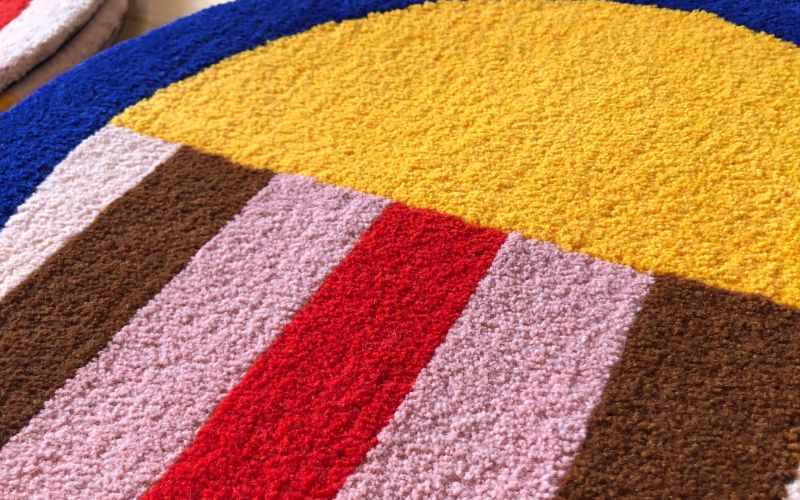
While hand-tufting does cut the yarn loops (which leaves loose fibres at the surface initially), a premium hand-tufted rug designed with a smart fiber blend—such as 80% wool and 20% nylon – is a completely different story. The addition of nylon acts as a structural anchor, significantly reducing fiber breakage and keeping shedding to a brief, easily managed settling period.
How Long Should Rug Shedding Last?
- The Normal Range (3 to 6 Months): For a high-quality wool or wool-blend rug, light shedding during the first few months is just the rug “stretching its legs.” It’s simply the excess fibres from the shearing process working their way to the surface.
- The Red Flag Range (6+ Months of Heavy Clumps): If you are still filling your vacuum canister after a year, or if you notice visible bald patches and backing showing through, you are likely dealing with a low-quality, short-staple rug that will continue to degrade.
5 Pro Tips to Manage and Minimise Rug Shedding
If you’ve fallen in love with the unmatched texture and luxury of a wool rug, you don’t have to fear the fluff. Manage it like a pro with these simple steps:
1. Vacuum Gently (Ditch the Beater Bar)
During the first few months, vacuum once or twice a week using low suction and a flat floor attachment. Never use a vacuum with a rotating brush or beater bar on a tufted wool rug. The aggressive bristles pull and tear at the fibres, actually creating more shedding.
2. Don’t Over-Vacuum
It’s tempting to vacuum every day to get rid of the fluff, but this creates a vicious cycle. Over-vacuuming agitates the fibers and coaxes more of them loose. Let the rug settle.
3. Trim, Don’t Pull
If you spot a loose thread or a “sprout” rising above the rest of the pile, do not pull it. Pulling can damage the backing weave. Instead, simply take a pair of sharp scissors and trim it flush with the rest of the pile.
4. Use a High-Quality Rug Pad
A dense, non-slip rug pad acts as a shock absorber. By absorbing the impact of your footsteps, it reduces the friction between the rug fibers and your floor, preserving the pile and minimizing shedding.
5. Rotate Your Rug
Rotate your rug 180 degrees every six months to ensure even foot traffic. This prevents localised high-traffic areas from getting over-agitated and shedding more than the rest of the rug.
The Verdict: Balancing Luxury and Maintenance
There is no single “perfect” rug fibre—only what works best for your space and lifestyle.
If your priority is zero maintenance and high traffic, synthetic fibres or flatweaves are excellent, practical options.
However, if you refuse to compromise on warmth, premium texture, acoustic comfort, and long-term durability, a high-quality wool-blend hand-tufted rug is unmatched. By investing in superior craftsmanship and a resilient fibre blend, you get all of the luxury with none of the endless shedding nightmares.
Ready to find the perfect balance? Explore our collection of custom-designed, premium hand-tufted rugs engineered for ultimate durability, minimal shedding, and timeless style.