


The Custom Rug Design Process
To design a custom rug in South Africa, you should follow a four-stage process: Curate Inspiration (using mood boards and fabric swatches), Select Performance Materials (ideally a durable 80% wool and 20% nylon blend), Consult with Master Tufters to finalise technical details like pile heights, and Request a Physical Sample (300x300mm) to verify how colours react to the unique light in your specific room.
1. Curate Your Inspiration
Designing a bespoke rug no longer requires you to be a professional artist. With modern digital tools, putting together a unique vision is simpler than many realise.
- Build a Mood Board: Pinterest is an excellent starting point. Collect textures, patterns, and colour palettes that suit your personal style.
- Incorporate Local Context: If you have fabric samples from your lounge suite or swatches of your flooring, add these to the board.
- The Power of Elimination: Start with half a dozen designs and narrow them down. Remember, with bespoke rugmaking, a simple colour shift can turn a bold, avant-garde pattern into a subtle, minimalist piece.
2. Selecting the Correct Materials
A rug’s longevity is determined by its yarn. In South Africa, where homes often transition between indoor and outdoor living, choosing a material that can withstand high foot traffic is essential.
While many mass-produced rugs use synthetic fibres that lose their structure after a single wash, a premium 80% wool and 20% nylon blend is the gold standard for several reasons:
- Resilience: The nylon provides the strength needed for high-traffic areas, while the wool offers a luxury “hand-feel.”
- Maintenance: This blend is remarkably easy to spot-clean, making it a favourite for hospitality clients and busy households alike.
- Structure: It maintains its texture and “bounce” over many years, whereas pure synthetics tend to flatten and dull over time.
3. Find a Reputable South African Manufacturer
When selecting a supplier, look for a company that offers a technical design consultation rather than just a sales pitch. Custom rugmaking is a craft, and you want to work with master tufters who understand the nuances of the trade.
During a professional consultation, you should be able to discuss:
- Multi-pile Heights: Using different yarn lengths to create a 3D, sculptural effect.
- Organic Shapes: Moving beyond standard rectangles to create rugs that follow the natural lines of your architecture.
- Technical Tweaks: Refining your digital design to ensure it translates perfectly into a hand-tufted masterpiece.
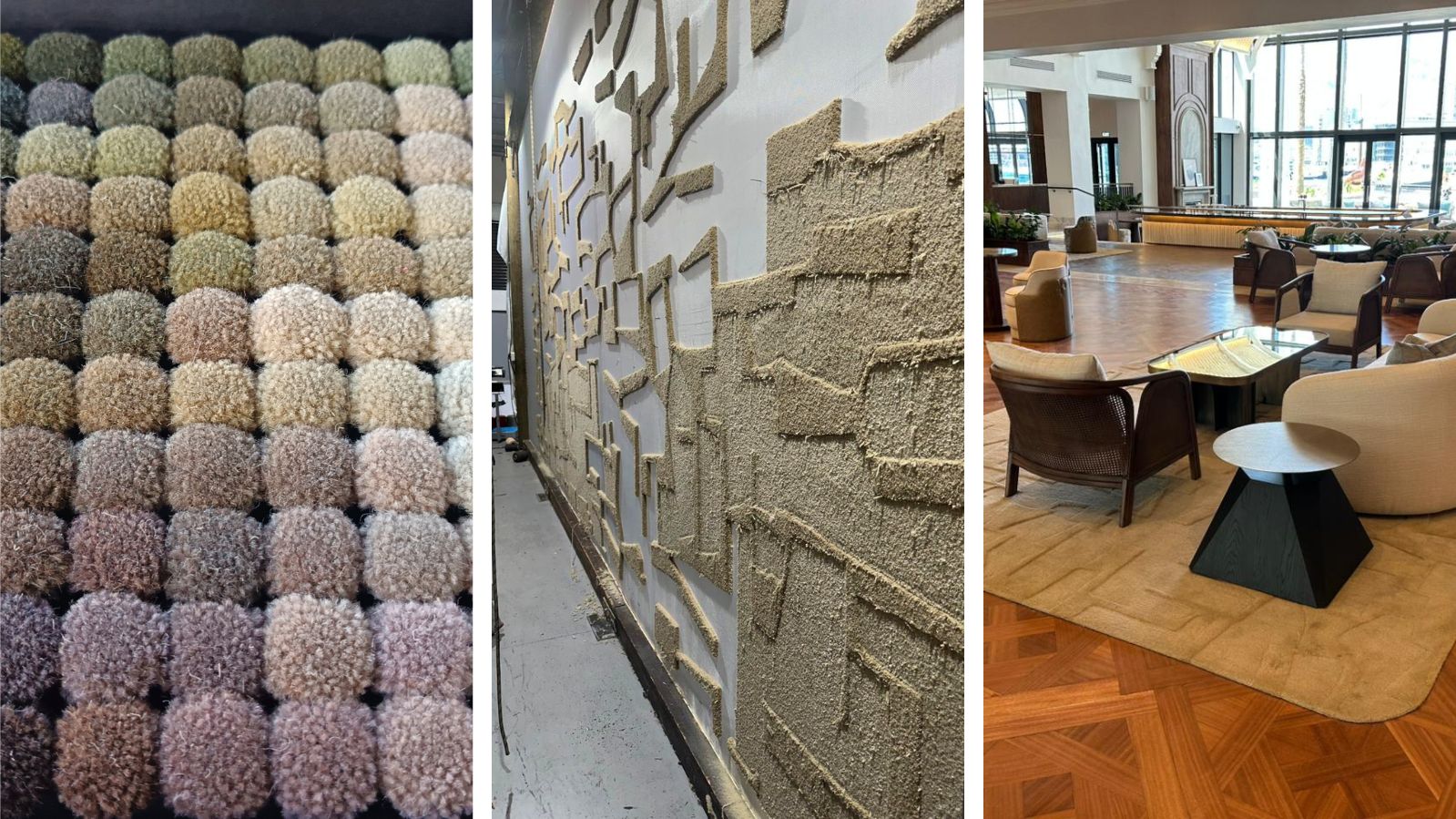
4. The Importance of Physical Sampling
One of the most common mistakes in custom design is relying solely on a computer screen. Lighting varies; the choice between cool and warm interior lighting can fundamentally change how a colour is perceived once it is in your space.”
Always insist on a rug sample. Sampling is the only way to:
- Verify the Colour: See how the yarn reacts to the specific lighting in your home.
- Test the Texture: Feel the density and height of the pile before committing to the full-sized piece.
- Confirm the Result: Ensure the final product matches your creative vision exactly.
Partner with South Africa’s Rug Specialists
With over 20 years of expertise in the industry, Rugalia is the preferred manufacturer for premium, hand-tufted rugs in South Africa. We specialise in turning complex creative visions into durable, high-end floor art.
Ready to bring your design to life? Contact us today to book your free design consultation and start your bespoke journey.